
CRM & ERP System
Integration
We integrate websites, online stores, B2B portals, and web applications with CRM and ERP systems. We automate the exchange of leads, customer data, orders, statuses, payments, and other business information between your website and internal systems.

















Services
Key CRM & ERP
Integration Scenarios
We connect websites, online stores, B2B portals, and web applications with CRM and ERP systems. We automate the exchange of leads, customer information, orders, statuses, payments, and business data to streamline sales, operations, and customer management.
We connect website forms, quizzes, enquiries, calls, and other customer interactions with your CRM. Data is transferred automatically to the sales system, assigned to the appropriate team member, and recorded with its original lead source.

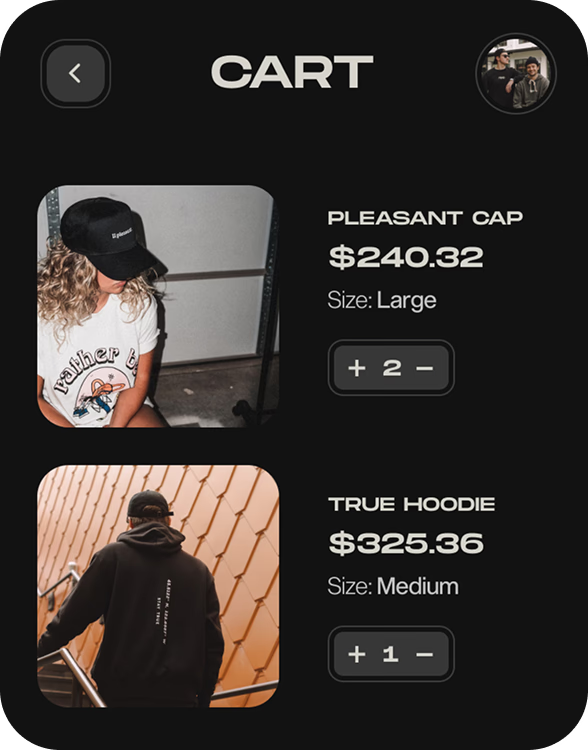
We synchronize orders, customers, payments, statuses, products, and inventory between your online store, CRM, and ERP systems. This automates order processing and reduces manual work for your team.
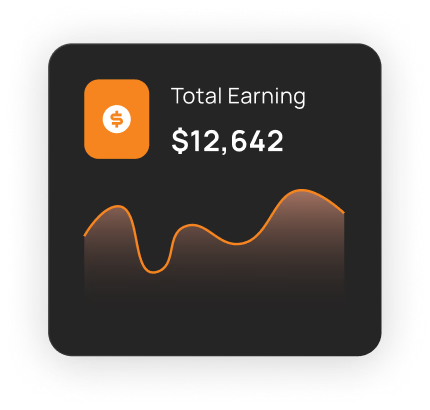
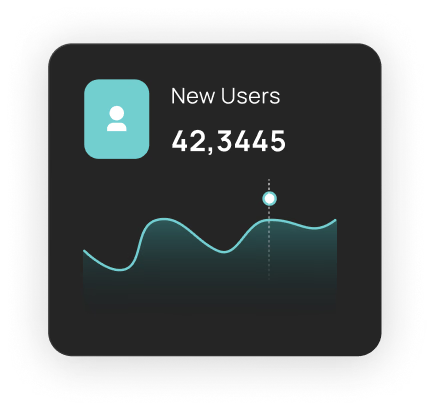
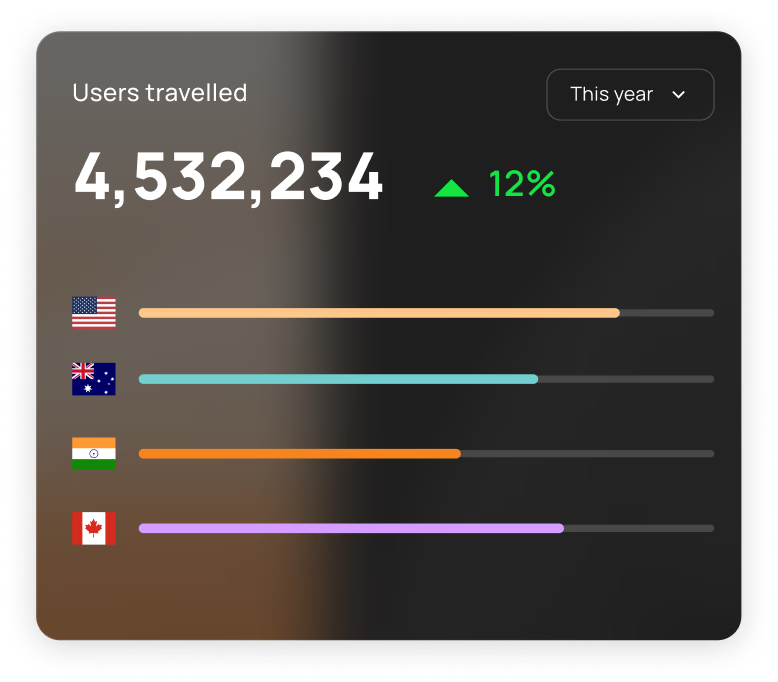
We integrate B2B portals with CRM and ERP systems, providing access to order history, documents, payment statuses.
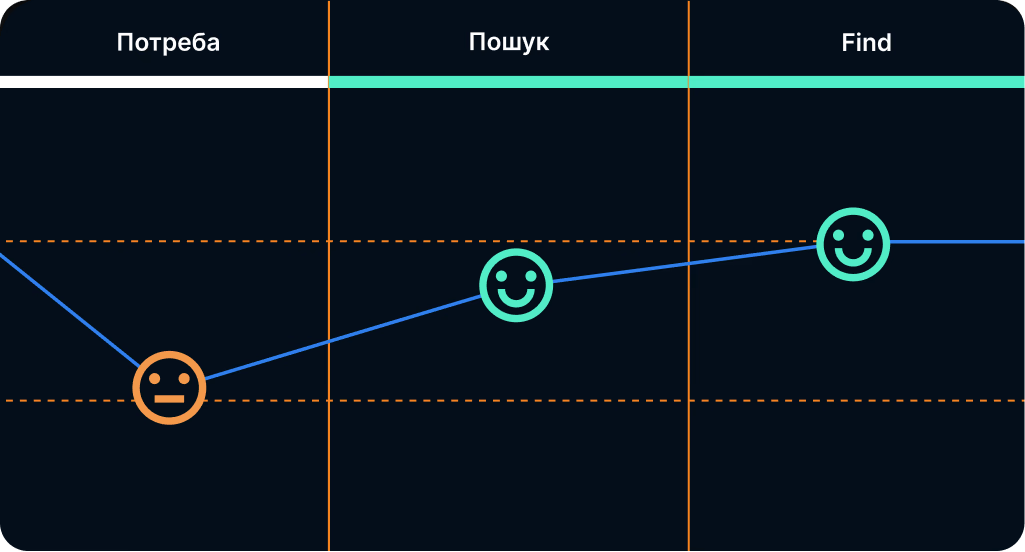
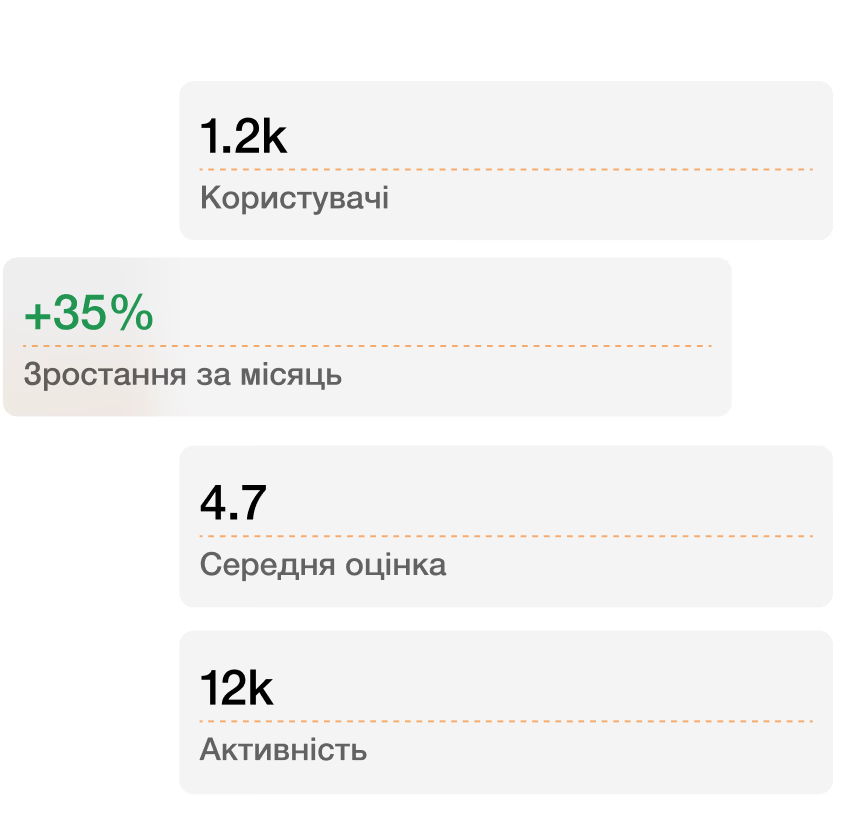
We develop CRM and ERP integrations for web applications, customer portals, and internal business systems. We use APIs, webhooks, XML, JSON, or middleware to ensure reliable data exchange.

Capabilities
What We
Synchronize
We synchronize essential data between websites, online stores, B2B portals, web applications, and CRM or ERP systems. We automate the transfer of leads, customer information, orders, statuses, payments, tasks, and business data so sales, reporting, and operations work together seamlessly.
Process
CRM & ERP Integration
Process
We begin by analyzing your business processes, website, CRM, ERP, and synchronization requirements. We then design the data exchange logic, prepare the technical specification, develop and test the integration using real-world scenarios, and provide launch assistance and ongoing support.
We analyze how your website, CRM, ERP, online store, or B2B portal currently operates. We identify which data needs to be transferred, where manual work occurs, and which processes should be automated.
We define how leads, customer information, orders, statuses, payments, tasks, documents, and other business data should move between systems. We determine the direction and frequency of synchronization and define the role of each platform.
We prepare a detailed technical specification for the website, CRM, and ERP integration. It defines the data structure, synchronization rules, error-handling scenarios, API requirements, and workflows for managers and administrators.
We build the integration using APIs, webhooks, XML, JSON, file-based data exchange, or middleware. We configure data synchronization between your website, CRM, ERP, and other systems based on your business logic.
We test the integration using real-world scenarios, including lead submission, customer creation, order transfer, status changes, payment updates, document synchronization, and staff task management.
We launch the integration, monitor the initial data exchanges, and help your team adapt to the new workflows. After launch, we can add new fields, statuses, user roles, services, and synchronization scenarios.
Portfolio
Projects with
CRM & ERP Integrations
Explore websites, online stores, web applications, and B2B solutions where success depends on more than design and development. These projects include data workflows, CRM and ERP integrations, customer portals, product catalogues, order management, and internal business processes.

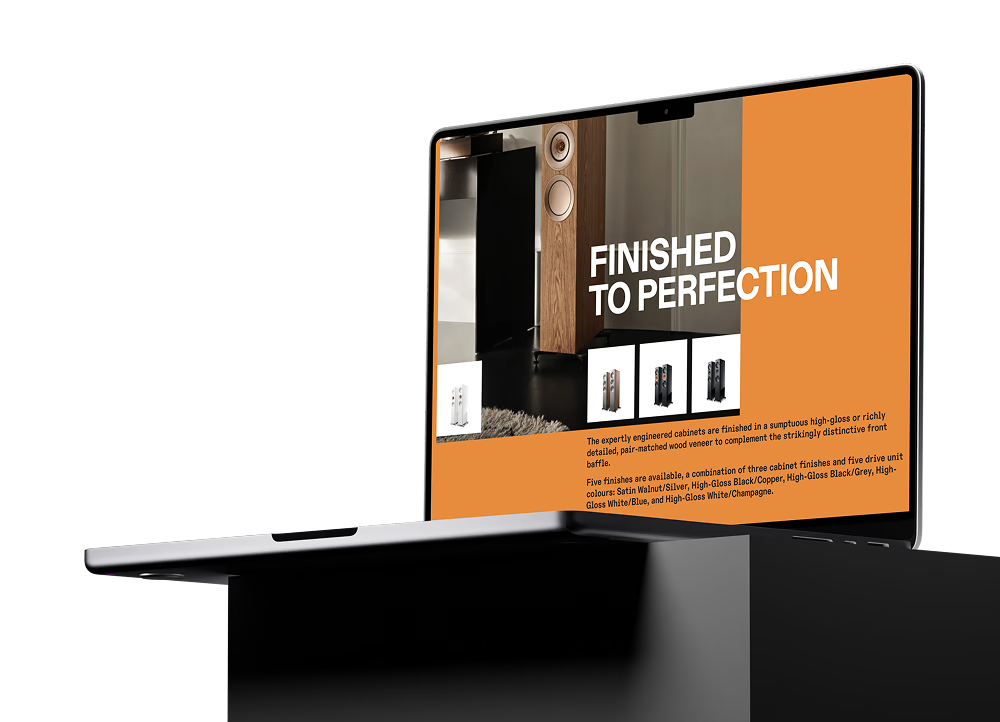
Manufacturer of microbiological preparations for agriculture.
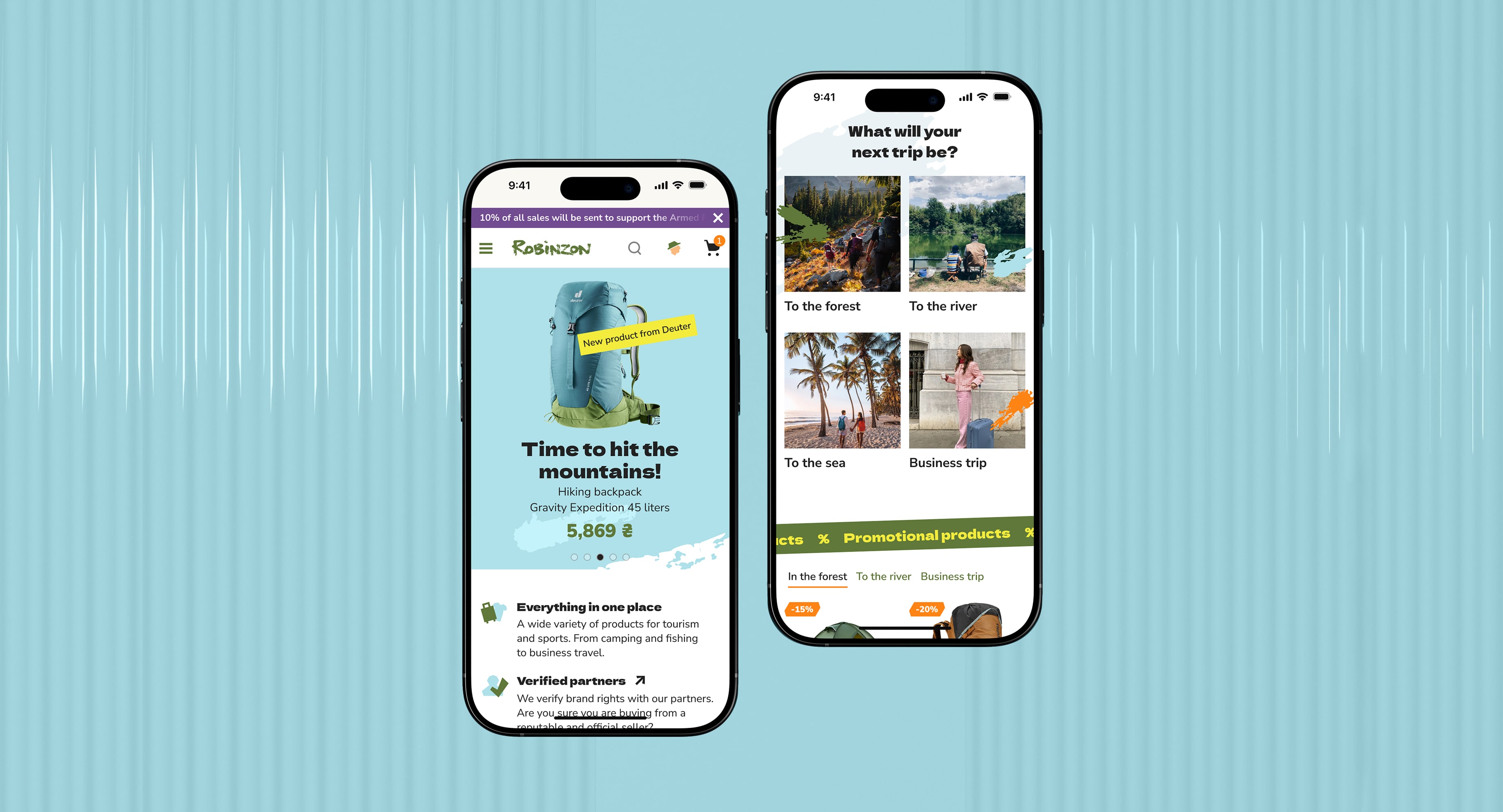
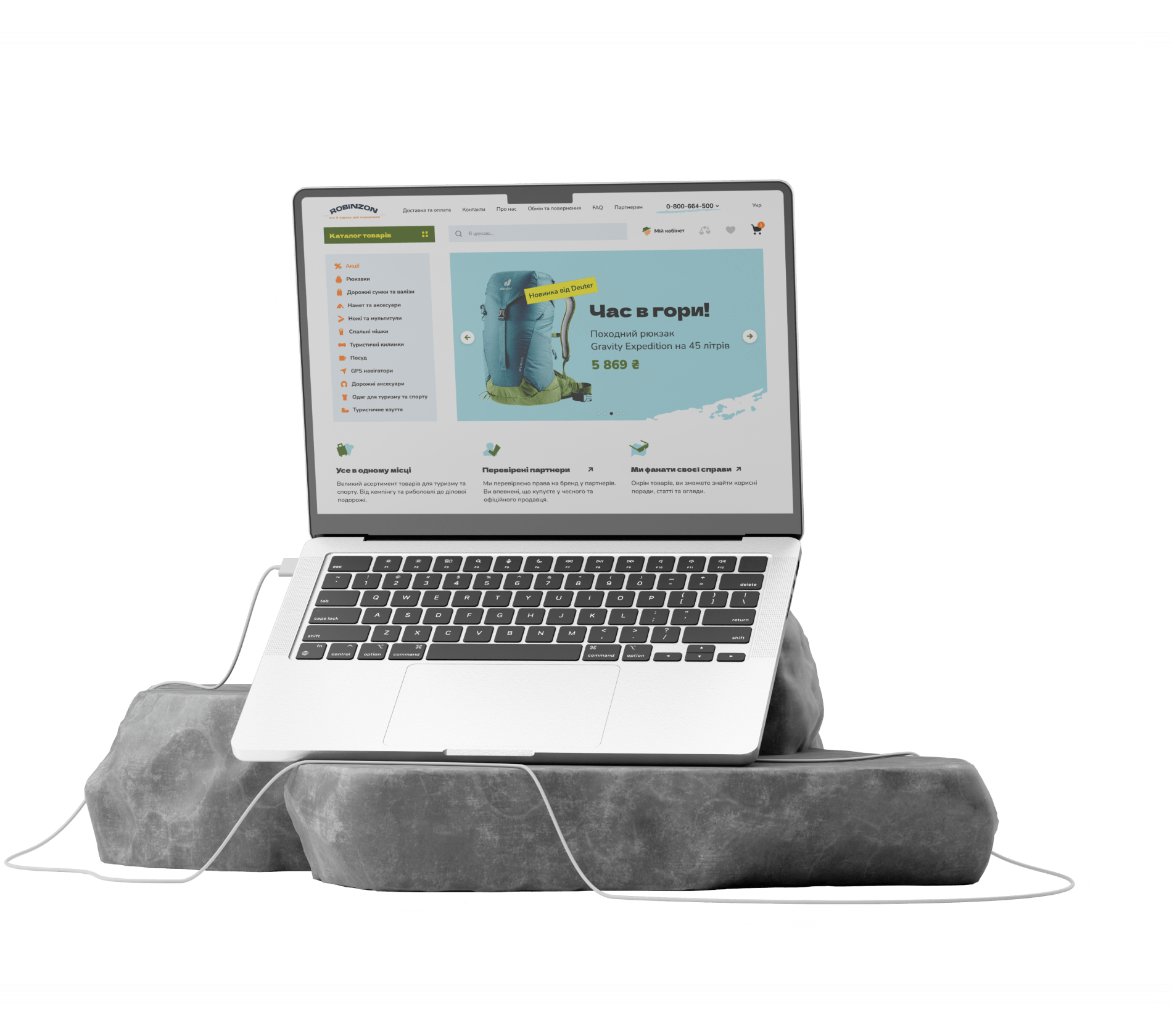
The largest Ukrainian online store specializing in selling goods for tourism.
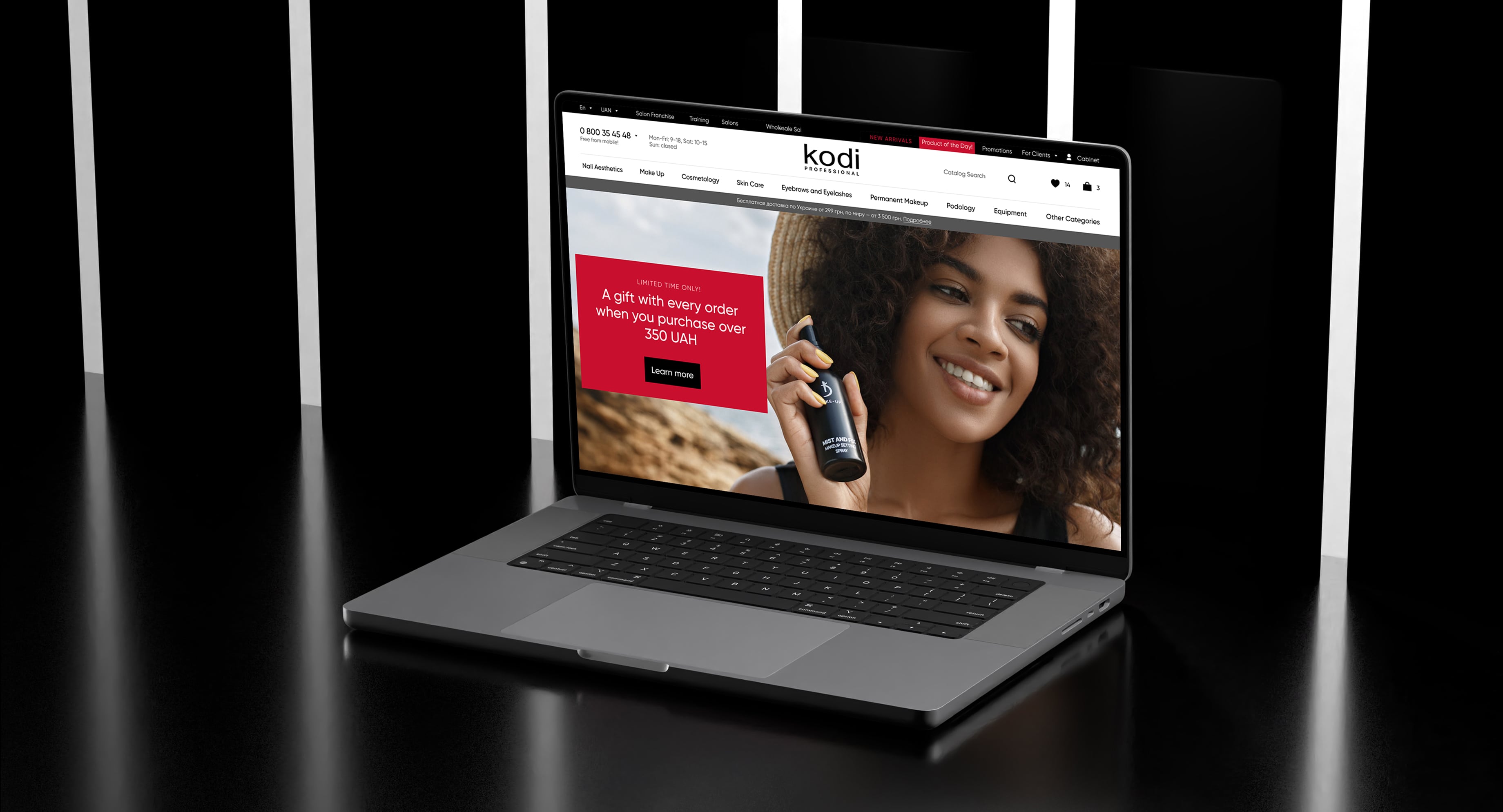
A well-known professional cosmetics brand represented in over 30 countries worldwide.
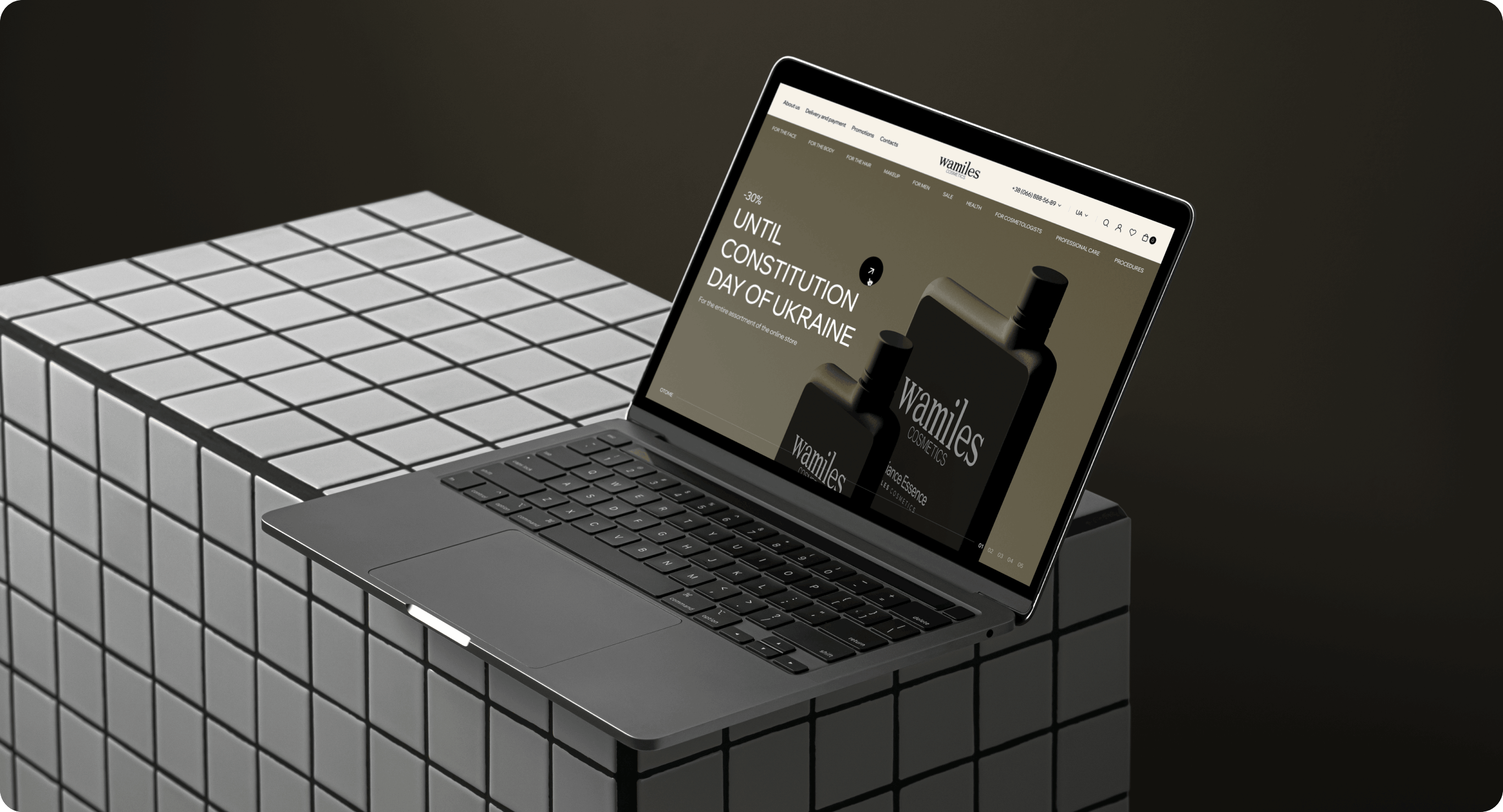
A leading Japanese professional cosmetics brand and the official makeup artist of Tokyo Fashion Week.
Clients
Our
clients

Professional nail and beauty products brand

Premium skincare and cosmetics brand

Online platform for selling used cars

Professional makeup brand

Sports field line-marking technology company

Freight shipping and logistics service provider

Video conferencing and online meeting platform

Cybersecurity and digital protection solutions company

Car protection and detailing studio offering PPF, tinting, and vinyl wrap services

Music and entertainment production company

AI-powered mobile game monetization platform

Blockchain and Web3 technology company
Articles
Recent
articles
INCREATE
web production
agency
We craft fast functional web products of any scale. We translate your ideas into modern sites, platforms and applications.
Reviews
from our clients
All Reviews The result is a modern, scalable, and user-friendly website aligned with our business goals.

The design, animations, and excellent support made a strong impression.

INCREATE managed the project with a clear and transparent process. We really enjoyed working with their team.

Frequently Asked Questions
Website CRM integration is the automated transfer of leads, contacts, enquiries, orders, and other information from a website to a CRM system. It allows sales representatives to respond faster, track each lead’s source, manage customers within a unified sales pipeline, and eliminate manual data entry.
Website ERP integration is the exchange of data between a website or web application and the company’s internal enterprise management system. Orders, customers, payments, statuses, invoices, documents, inventory information, and other business data can be transferred through the ERP integration. This connects the website with the company’s operational processes.
Commonly synchronized data includes enquiries, leads, customers, contacts, orders, statuses, payments, invoices, documents, staff tasks, traffic sources, comments, and other business information. The exact scope depends on the website type, CRM or ERP platform, and the company’s workflows.
CRM and ERP integration is suitable for corporate websites, online stores, B2B portals, web applications, and marketplaces that manage leads, customers, orders, or complex business processes. It is especially valuable for companies looking to automate sales, reporting, enquiry processing, order management, and staff workflows.
Yes. An online store can be integrated with both CRM and ERP systems. New orders can be transferred automatically to the CRM, assigned to sales representatives, and synchronized with the ERP. Customer information, order statuses, payments, products, invoices, and other business data can also be exchanged between the systems.
Inventory and pricing synchronization may require an additional connection with the company’s POS, inventory management, or accounting software.
We can integrate a website with different CRM and ERP platforms when they support APIs, webhooks, XML, JSON, file-based data exchange, or another suitable integration method.
Examples of CRM platforms available to Canadian businesses include Salesforce, HubSpot, Microsoft Dynamics 365, Zoho CRM, and Pipedrive. ERP options may include Microsoft Dynamics 365 Business Central, Oracle NetSuite, SAP, Odoo, and other industry-specific platforms.
Before development begins, we review the platform, technical documentation, access requirements, API limitations, data structure, and required synchronization scenarios.
The timeline depends on the number of connected systems, data volume, business logic, API availability, and the quality of the technical documentation.
A straightforward website-to-CRM lead integration can be completed relatively quickly. More complex projects involving ERP platforms, B2B portals, two-way synchronization, payments, documents, user roles, and multiple workflows require detailed discovery, development, and testing.
Website CRM and ERP integration typically starts at CAD $800 and may cost CAD $3,000+, depending on the project type, data volume, synchronization direction, API availability, technical condition of the connected platforms, and complexity of the business processes.
A straightforward website-to-CRM lead integration is generally faster and more affordable. Complex ERP integrations involving B2B portals, payments, documents, multiple statuses, or two-way data exchange require more detailed planning and development.
We provide an accurate estimate after reviewing the systems, business processes, and technical integration requirements.
CRM and ERP integration focuses primarily on customer relationships, sales pipelines, leads, orders, company operations, workflows, and enterprise data.
POS, inventory, and accounting software integration focuses on retail transactions, products, pricing, inventory levels, warehouse data, invoices, payments, and financial records. These projects may involve platforms such as QuickBooks Online, Xero, Sage, Shopify POS, Square, or Lightspeed.
Depending on the business architecture, CRM, ERP, POS, inventory, and accounting platforms can all be connected as part of one integration ecosystem.
Canadian businesses use different CRM and ERP platforms depending on their industry, company size, budget, and internal processes.
Common CRM options include Salesforce, HubSpot, Microsoft Dynamics 365, Zoho CRM, and Pipedrive. ERP options include Microsoft Dynamics 365 Business Central, Oracle NetSuite, SAP, Odoo, and other industry-specific systems.
INCREATE is not limited to a specific platform. Before beginning a project, we review the CRM or ERP system’s API, technical documentation, data structure, permissions, and limitations. We then design the most suitable integration with the website, online store, B2B portal, marketplace, or web application.
DEVELOPING WITH INCREATE?
Click for a free consultation. Fill out the form to build an effective partnership and long-term cooperation with INCREATE
 Max KonovalenkoCEO
 Anton ChumakDigital Expert
 Sasha TymoshenkoProject Manager
 Anna OsedachUI/UX Designer
 Roman ShtaierUI/UX Designer
Website CRM & ERP Integration for Businesses
When Does a Business Need Website CRM Integration?
Website CRM integration is essential when leads, customer enquiries, orders, or other website submissions need to enter the sales system automatically. Without integration, staff often transfer information manually, lose potential leads, or respond to customers too late. This slows down the sales process, makes the pipeline harder to manage, and limits the ability to measure marketing performance.
INCREATE integrates websites, online stores, B2B portals, and web applications with CRM systems. We automate the transfer of enquiries, contacts, leads, orders, statuses, comments, traffic sources, and other information required by sales teams. This helps staff respond faster and gives the business a more transparent customer management process.
Website ERP Integration
Website ERP integration is required when a website or web application needs to operate as part of the company’s internal business infrastructure. An ERP system may contain information about orders, inventory, finances, documents, customers, contracts, fulfilment statuses, and other operational data.
When this information is not synchronized with the website, employees spend more time entering the same data into multiple systems and correcting inconsistencies.
We design website ERP integrations that provide reliable and structured data exchange without adding unnecessary manual work. Depending on the requirements, we can implement one-way or two-way synchronization. For example, a website can send an order to the ERP, while the ERP returns its status, payment information, inventory availability, or other data to the customer portal.
What Can Be Synchronized Between a Website, CRM, and ERP?
Commonly synchronized data includes enquiries, leads, customers, contacts, orders, statuses, staff comments, lead sources, payments, documents, products, inventory levels, invoices, and other business information. The exact scope depends on the company’s processes, website type, CRM or ERP platform, and team workflows.
Corporate websites typically require contact forms, enquiries, and customer information to be transferred to a CRM. Online stores may synchronize orders, customers, products, payments, statuses, and inventory data. B2B portals may exchange customer-specific terms, documents, order histories, payment statuses, and business account information.
Online Store CRM & ERP Integration
For e-commerce projects, CRM and ERP integration helps automate order processing. A new website order can be sent automatically to the CRM, assigned to a sales representative, updated with the appropriate status, and then synchronized with the ERP, accounting, or inventory management system.
This reduces manual work, prevents duplicate data entry, and helps the team process purchases faster.
The integration may also synchronize products, prices, inventory levels, payments, shipping statuses, and customer information. If your business requires a complete online sales solution, explore our e-commerce website development services.
B2B Portal CRM & ERP Integration
For B2B businesses, CRM and ERP integration often forms the foundation of a customer, dealer, or partner portal. Users can access order histories, payment statuses, invoices, documents, contracts, negotiated terms, repeat-order tools, and personalized offers.
This is especially valuable for distributors, manufacturers, wholesalers, and companies working with dealers or corporate customers. Integration reduces repetitive requests to account managers and provides partners with convenient access to current business information.
APIs, Middleware & Data Exchange Methods
Website CRM and ERP integration can be implemented using REST or GraphQL APIs, webhooks, XML, JSON, file-based data exchange, or middleware. The right method depends on the technical capabilities of each platform, data volume, synchronization frequency, security requirements, and required reliability.
Before development, we identify which systems need to be connected, what information should be transferred, the direction of data flow, and what should happen if synchronization fails. This allows us to build an integration around actual business processes instead of simply connecting two systems at a technical level.
How INCREATE Designs CRM & ERP Integrations
INCREATE does more than connect a website to a CRM or ERP platform. We design the complete integration logic based on business requirements, user roles, staff workflows, data structure, and future scaling plans.
We begin by analyzing existing processes. We then document the data exchange logic, prepare the technical specification, develop the integration, and test it using real-world scenarios.
For complex projects, we can combine integration with website development, web application development, B2B portals, online stores, and internal business systems.
If your project also requires integration with POS, inventory, retail management, or accounting platforms, explore our POS, inventory, and accounting software integration services.
What Is Required to Start a CRM or ERP Integration?
To begin, we need to understand which systems the business currently uses, what information should be transferred, and which processes need to be automated. We also determine whether the CRM or ERP provides an API, what technical limitations apply, who is responsible for the client-side systems, and which scenarios must be tested before launch.
After discovery, we define the integration architecture, confirm the data structure, establish the implementation stages, and begin development.
Following deployment, we can provide ongoing support, introduce new fields and statuses, connect additional services, add user roles, and develop new data exchange workflows as the business evolves.
Something went wrong. Please try submitting the form again.