
POS, Inventory & Accounting
Software Integration
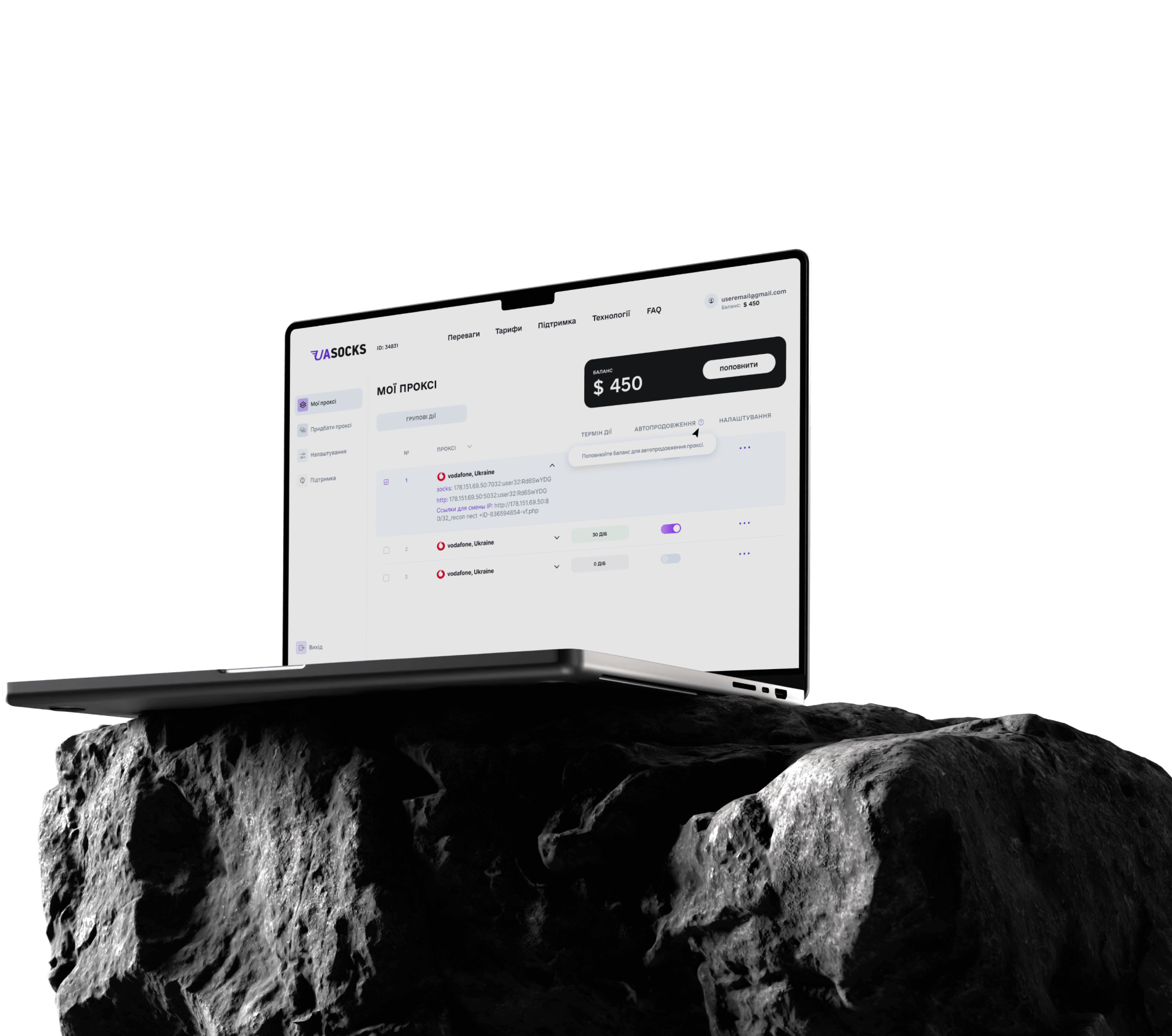
We integrate POS, inventory, and accounting software with websites, online stores, CRM platforms, B2B portals, and web applications. We automate data synchronization between systems, allowing you to manage sales, orders, products, inventory, and customer information within one connected digital ecosystem.

















Services
Integration
Scenarios
We connect POS, inventory, and accounting software with business websites, online stores, CRM platforms, B2B portals, marketplaces, and internal systems. We design data synchronization, API integrations, and process automation around your company’s actual workflows and requirements.
We integrate POS, inventory, and accounting software with online stores, synchronizing products, categories, prices, inventory levels, orders, customer data, payments, and statuses. This automates e-commerce workflows and reduces manual work for your team.

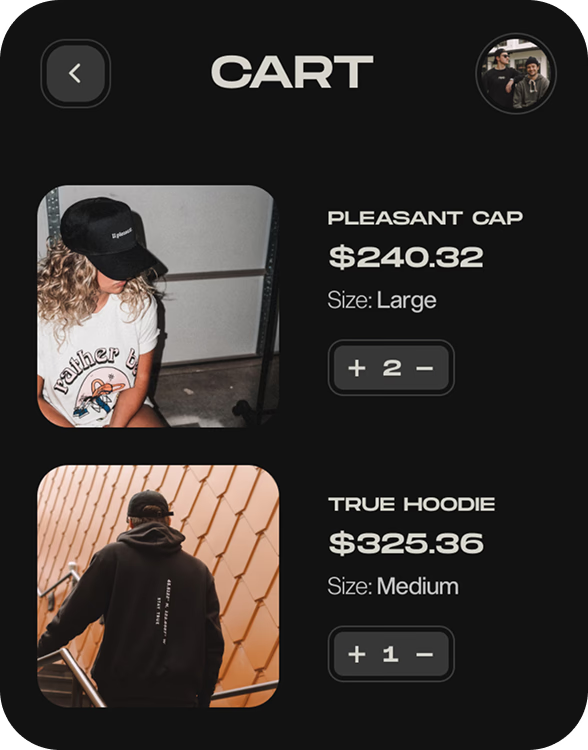
We integrate POS, inventory, and accounting software with customer and partner portals. Solutions can include customer-specific pricing, order history, invoices, contracts, payment statuses, inventory availability, and custom terms for dealers and wholesale customers.
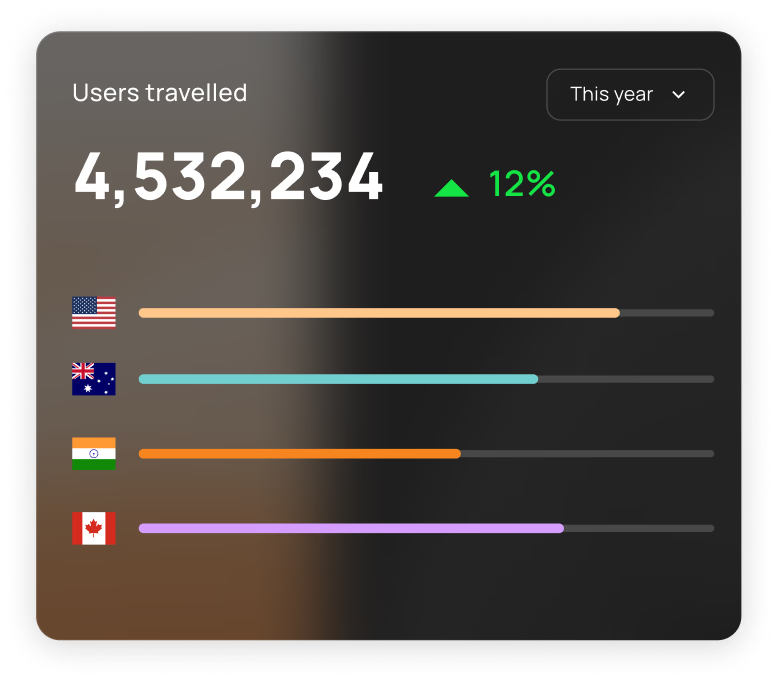

We synchronize leads, customers, orders, statuses, and financial data across your CRM, website, and business software.
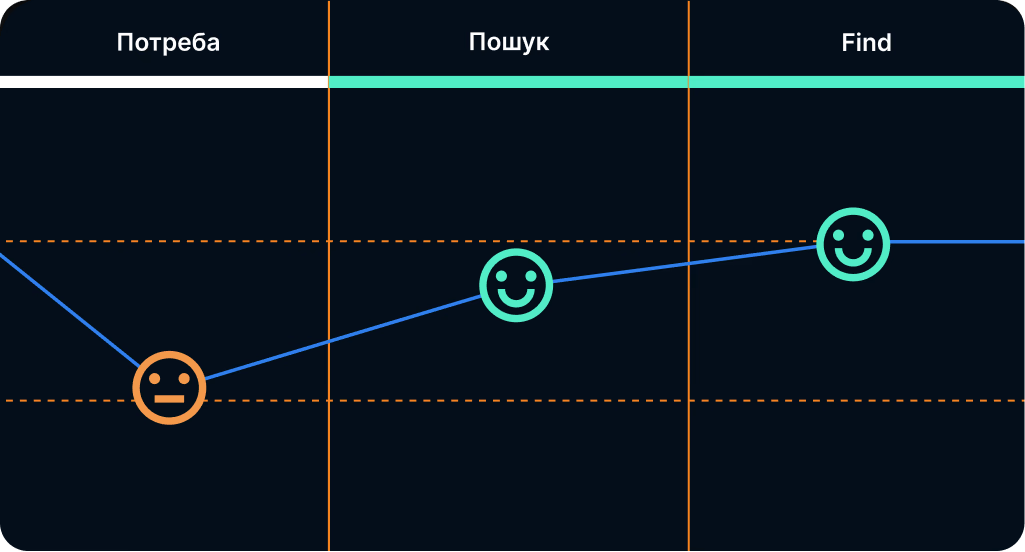
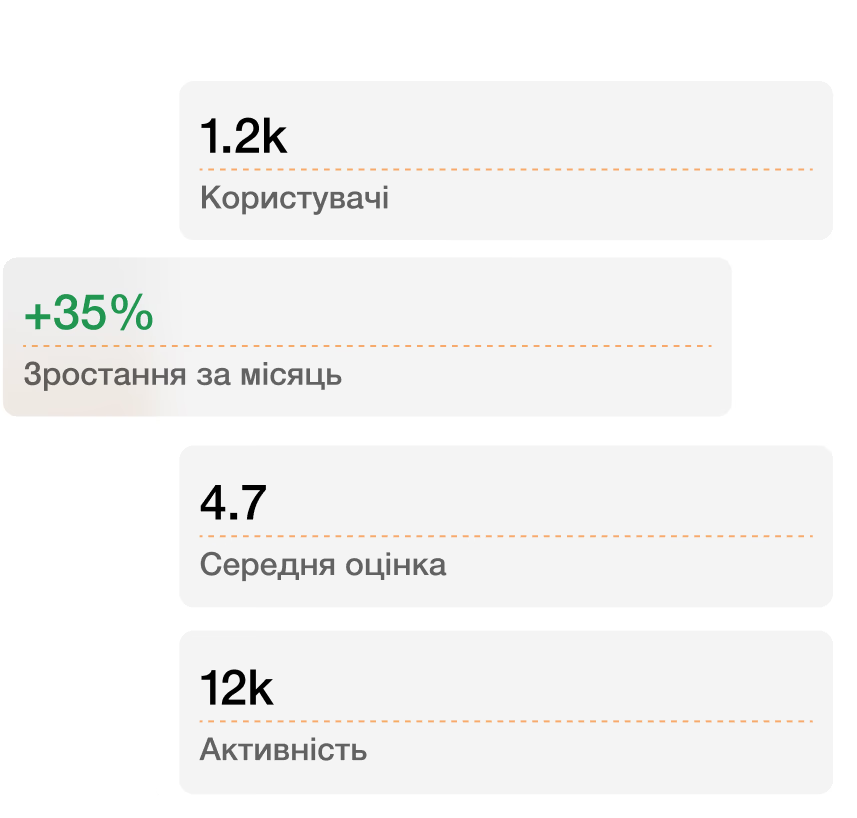
We develop integrations between POS, inventory, and accounting software, marketplaces, web applications, APIs, and internal business systems. We configure product, pricing, inventory, order, and status synchronization through APIs, XML, JSON, or middleware.


Capabilities
What We
Synchronize
We synchronize essential data between POS, inventory, and accounting software, websites, online stores, CRM platforms, B2B portals, marketplaces, and web applications. We automate previously manual processes and ensure that all connected systems work together seamlessly.
Process
Integration
Process
We begin by analyzing your business processes, systems, and synchronization requirements. We then design the data flow between your POS, inventory, or accounting software and your website, CRM, online store, or B2B portal. After development, we test the integration using real-world scenarios and provide launch assistance and ongoing support.
We analyze how your POS, inventory, and accounting software currently works with your website, CRM, online store, or B2B portal. We identify which data needs to be synchronized, where manual work occurs, and which processes should be automated.
We define which data should move between systems, including products, prices, inventory levels, orders, customer information, payments, statuses, and documents. We also determine the direction of data flow, synchronization frequency, and integration workflows.
We prepare a technical specification for integrating your POS, inventory, or accounting software with your website, CRM, online store, or web application. It defines the data structure, synchronization rules, system roles, error-handling logic, and reliability requirements.
We develop the integration using APIs, XML, JSON, file-based data exchange, or middleware. We configure data synchronization between your POS, inventory, or accounting software and web platform based on your business logic and the technical limitations of each system.
We test the integration using real-world scenarios, including order creation, inventory updates, price changes, status transfers, and customer and document synchronization. We identify errors, verify data accuracy, and refine the synchronization logic.
We launch the integration, monitor the initial data synchronization, and help your team adapt to the new workflows. After launch, we can provide ongoing support and add new data fields, workflows, features, or connected systems as your business grows.
Portfolio
Web Development
& Integration Projects
Explore our websites, online stores, web applications, and B2B solutions where success depends on more than design and development. These projects also include data workflows, CRM and ERP integrations, customer portals, product catalogues, order management, and internal business processes.

Manufacturer of microbiological preparations for agriculture.

The largest Ukrainian online store specializing in selling goods for tourism.
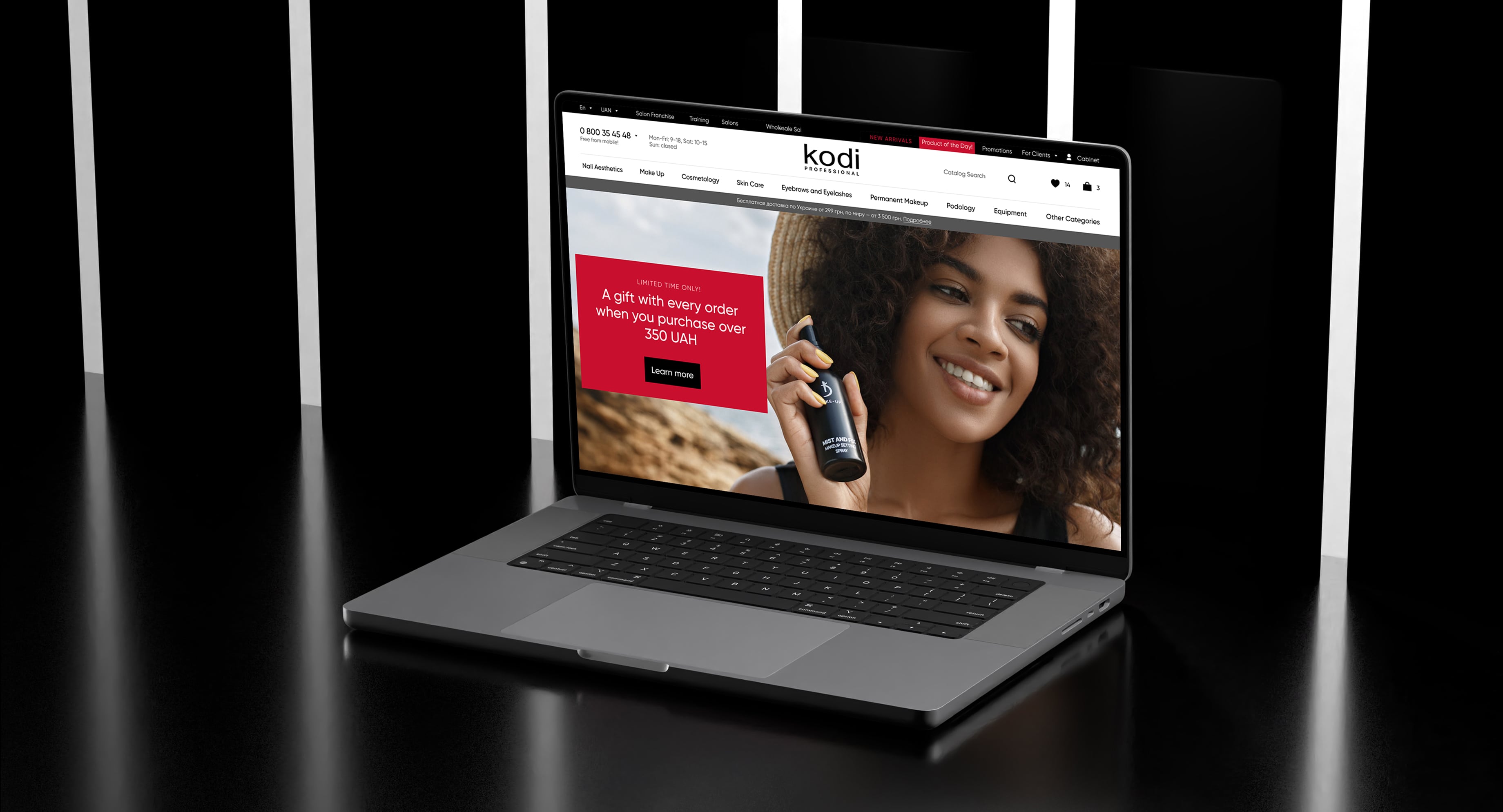
A well-known professional cosmetics brand represented in over 30 countries worldwide.

A leading Japanese professional cosmetics brand and the official makeup artist of Tokyo Fashion Week.
Clients
Our
clients

Professional nail and beauty products brand

Premium skincare and cosmetics brand

Online platform for selling used cars

Professional makeup brand

Sports field line-marking technology company

Freight shipping and logistics service provider

Video conferencing and online meeting platform

Cybersecurity and digital protection solutions company

Car protection and detailing studio offering PPF, tinting, and vinyl wrap services

Music and entertainment production company

AI-powered mobile game monetization platform

Blockchain and Web3 technology company
Articles
Recent
articles


INCREATE
web production
agency
We craft fast functional web products of any scale. We translate your ideas into modern sites, platforms and applications.
Reviews
from our clients
All Reviews The result is a modern, scalable, and user-friendly website aligned with our business goals.

The design, animations, and excellent support made a strong impression.

INCREATE managed the project with a clear and transparent process. We really enjoyed working with their team.

Frequently Asked Questions
It is the automated exchange of data between business management software and a website, online store, CRM platform, B2B portal, marketplace, or web application. The integration can synchronize products, prices, inventory levels, orders, customer information, payments, statuses, and documents without manual data entry.
This type of integration is ideal for companies managing product catalogues, orders, customers, warehouses, payments, or documents across multiple systems. It is commonly used by online retailers, B2B companies, distributors, manufacturers, wholesalers, marketplaces, and businesses with customer, dealer, or partner portals.
You can synchronize products, categories, attributes, prices, inventory levels, orders, customers, business partners, payment and shipping statuses, documents, contracts, customer-specific pricing, loyalty rewards, and other business data. The exact scope depends on your company’s processes, software configuration, website structure, and data exchange requirements.
Yes. We integrate business software with online stores built on WooCommerce, Shopify, BigCommerce, Adobe Commerce, and custom platforms. The integration can automatically update prices and inventory levels, transfer orders to accounting or inventory systems, and synchronize customer records, payment and shipping information, order statuses, and other essential e-commerce data.
In most cases, involving a specialist from your team or current software provider is recommended, especially if the POS, inventory, or accounting system has custom modifications. INCREATE handles the website, API connections, data exchange logic, and integration, while your software specialist assists with system configuration, data structure, permissions, and access.
The timeline depends on the number of connected systems, data volume, business logic, integration method, and condition of the existing software. A straightforward integration can be completed relatively quickly, while more complex projects involving CRM platforms, B2B portals, customer-specific pricing, documents, or multiple warehouses require detailed discovery, technical planning, development, and testing.
The cost depends on the project type, volume of data, synchronization direction, API availability, number of connected systems, and complexity of the existing website, online store, CRM, or business software. We provide an accurate estimate after reviewing your requirements, business processes, and integration architecture.
We provide technical support throughout every stage of the project, from initial planning and system analysis to development, testing, launch, and ongoing maintenance.
Our team helps resolve integration issues, monitor data synchronization, investigate errors, update API connections, and adapt the integration when business processes or third-party systems change. We can also add new fields, workflows, features, and connected platforms as your business grows.
Our goal is to keep the integration stable, secure, and aligned with your day-to-day operations after launch.
DEVELOPING WITH INCREATE?
Click for a free consultation. Fill out the form to build an effective partnership and long-term cooperation with INCREATE
 Max KonovalenkoCEO
 Anton ChumakDigital Expert
 Sasha TymoshenkoProject Manager
 Anna OsedachUI/UX Designer
 Roman ShtaierUI/UX Designer
POS, Inventory & Accounting Software Integration for Websites, Online Stores, CRM Platforms, and B2B Portals
When Does a Business Need POS, Inventory & Accounting Software Integration?
A business needs POS, inventory, and accounting software integration when its website, online store, marketplace, CRM platform, or B2B portal must operate as part of one connected digital system. Without integration, staff often enter orders manually, update inventory across multiple platforms, and verify payments separately. This leads to errors, duplicate records, outdated information, and longer order-processing times.
Integrating business software with a website automates these processes. Information moves between systems faster, while the team spends less time on repetitive manual work. As a result, websites, online stores, CRM platforms, and B2B portals operate more accurately and efficiently.
What Data Can Be Synchronized?
INCREATE configures data synchronization between POS, inventory, and accounting software and websites, online stores, CRM platforms, marketplaces, B2B portals, and web applications. We commonly synchronize products, categories, attributes, prices, inventory levels, orders, customers, payments, statuses, invoices, and other documents.
The integration can also transfer customer-specific pricing, contracts, purchase orders, discounts, loyalty points, credit limits, transaction history, and other business data. The exact scope depends on the company’s processes, software configuration, and website functionality.
Online Store Integration
For online stores, integration can automatically transfer orders from the website to POS, inventory, accounting, or order management software. It can also synchronize inventory levels, prices, product information, customer records, payment statuses, shipping details, and fulfilment updates.
This allows staff to process orders faster while ensuring that customers see accurate information online. It is especially important for e-commerce businesses with large product catalogues, multiple warehouses, retail locations, or different pricing levels.
For example, an online store can automatically receive current inventory levels from the company’s inventory management system. New website orders can then be transferred directly to the accounting, POS, or order management platform without manual data entry.
B2B Portal Integration
POS, inventory, and accounting software integration can be an essential part of a customer or partner portal. A B2B portal can display customer-specific pricing, contracts, invoices, available inventory, payment statuses, credit limits, and order history.
The portal can also support quick reordering, purchase orders, negotiated payment terms, dealer-specific conditions, approval workflows, and access to selected product groups. This helps automate collaboration with wholesale customers, distributors, partners, and corporate buyers.
CRM Integration
Connecting POS, inventory, and accounting software with a CRM platform brings together sales activities, customer data, orders, staff tasks, payments, and financial information. Depending on the business process, we can configure one-way or two-way data synchronization.
For example, a lead may be transferred from the website to the CRM. Once the purchase is confirmed, the order can be sent to the accounting or inventory system. Payment and fulfilment statuses can then be returned to the CRM, website, or customer portal.
This workflow gives staff and customers a clearer view of the sales and order fulfilment process.
Marketplace and Web Application Integration
We also develop integrations for marketplaces, custom web applications, and internal company systems. These solutions may synchronize products, pricing, and inventory with external sales channels while transferring orders, payment details, statuses, and customer data back to the company’s internal software.
Data exchange can be implemented through REST or GraphQL APIs, webhooks, XML, JSON, CSV or other file-based methods, or a custom middleware layer. The right integration method depends on the available software APIs, website architecture, number of connected systems, data volume, security requirements, and required update frequency.
Software We Can Integrate
INCREATE can develop integrations with popular POS, inventory, retail management, and accounting platforms used by Canadian businesses. These may include QuickBooks Online, Xero, Sage, Shopify POS, Square, Lightspeed Retail, and other industry-specific systems with suitable API or data exchange capabilities.
We can also work with custom business software, warehouse management systems, order management platforms, and legacy solutions. Before development begins, we review the available APIs, documentation, access requirements, data structure, and technical limitations of every system involved.
How INCREATE Designs Integration Logic
INCREATE does more than connect one platform to another. We design the integration around actual business processes. First, we identify which systems need to communicate and which information must be exchanged.
We then define the direction of data flow, synchronization frequency, source of truth for each data type, system responsibilities, error-handling rules, and workflows for staff, customers, and administrators.
This approach helps us build reliable integration architecture that can scale as the business, product catalogue, order volume, and number of connected systems grow.
What Is Required to Start an Integration Project?
To begin, the business should describe its current processes and identify the data that needs to move between systems. We also need information about the website, online store, POS platform, inventory software, accounting system, CRM, or other services that will be integrated.
Access to API documentation, test environments, sample data, and technical contacts may also be required. If the company uses customized or legacy software, it is helpful to involve a specialist who understands its configuration and data structure.
This allows the team to identify technical limitations, required permissions, data mapping rules, and potential risks before implementation begins.
Support and Development After Launch
After the integration is launched, INCREATE can continue to support and improve the solution. We can update synchronization logic, add new data fields, statuses, user roles, customer portals, API connections, reporting tools, or additional third-party services.
Ongoing support is particularly valuable for businesses planning to expand their online store, introduce new sales channels, open additional retail locations, launch a B2B portal, or build a connected digital ecosystem around their website and internal business software.
Something went wrong. Please try submitting the form again.