
Server Setup and Support
for Web Projects
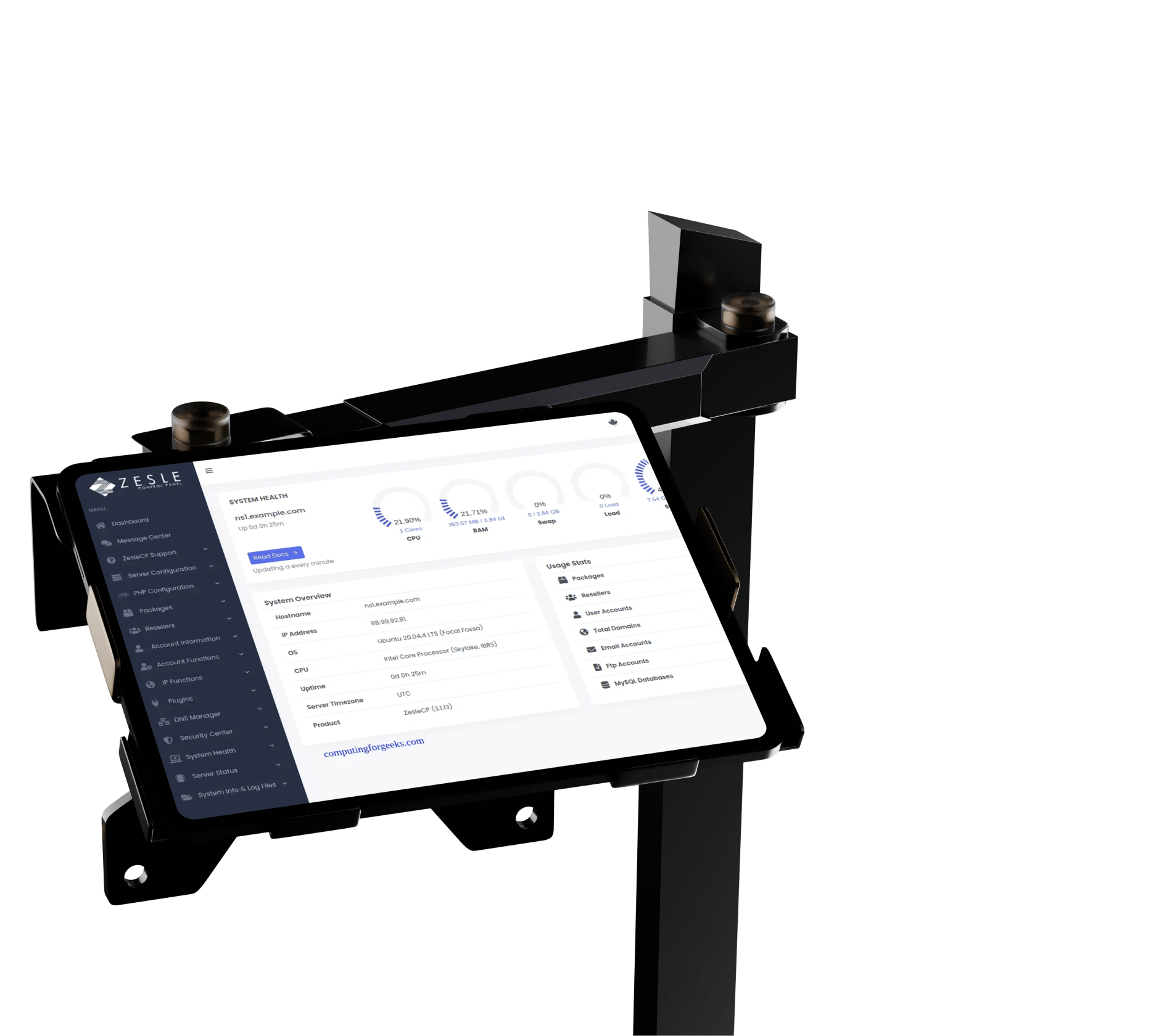
We configure, manage, and support servers for websites, online stores, web applications, and digital products. We provide stable performance, security, automated backups, monitoring, speed optimization, CI/CD or automated deployment, and ongoing infrastructure support after launch.

Services
Server Infrastructure
for Web Projects
Server support is especially important for projects where stability, speed, security, backups, and integrations directly affect enquiries, sales, and business operations. We support server infrastructure for online stores, web applications, marketplaces, B2B solutions, and corporate websites.
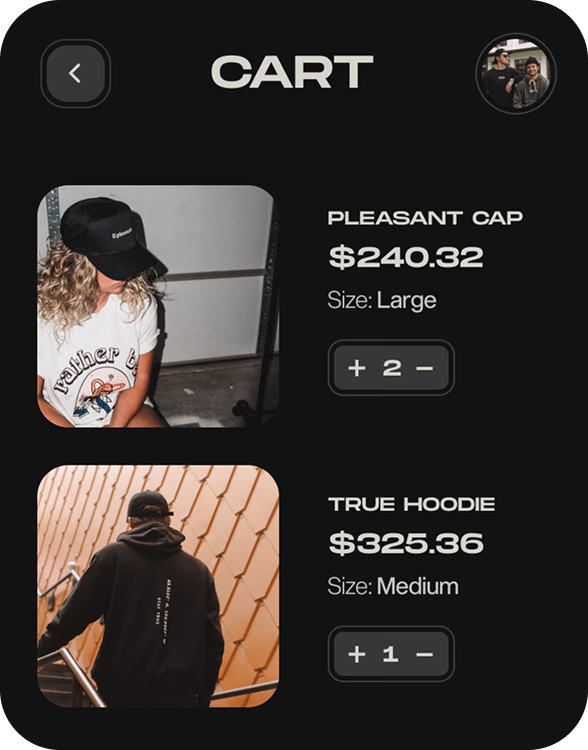
We support servers for online stores where reliable catalogue, shopping cart, checkout, payment, delivery, product import, order processing, and CRM/ERP, POS, inventory and accounting integrations are essential.

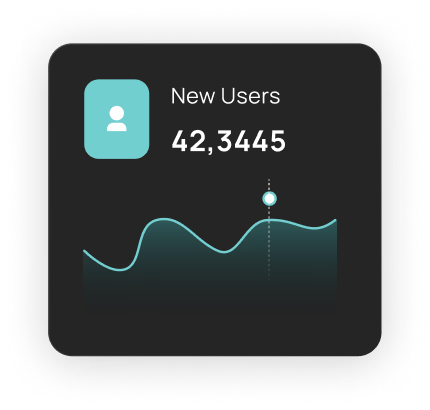
We configure and support server infrastructure for web applications, user portals, SaaS and MVP products, dashboards, APIs, internal systems, and custom digital platforms.

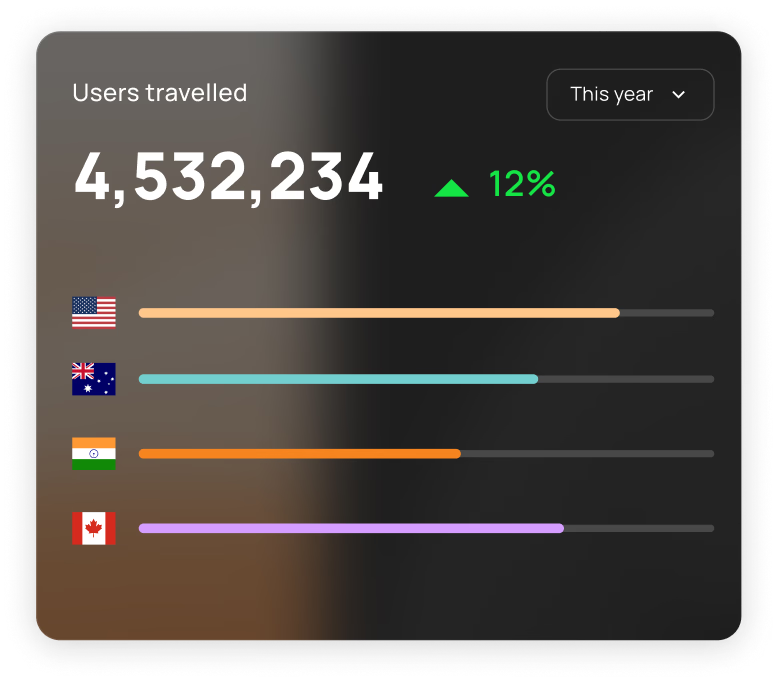

We support marketplace servers with seller and buyer portals, catalogues, payments, commissions, moderation, APIs, CRM/ERP, POS, inventory.
We provide server support for corporate and service-based websites, as well as B2B companies. This includes reliable enquiry forms, optimized loading speed, SSL configuration, automated backups, security, and ongoing technical support after launch.


Capabilities
What’s Included
in Server Support
We ensure stable and secure server infrastructure for websites, online stores, web applications, and marketplaces. We handle monitoring, backups, updates, security, load management, and technical support to keep your project running reliably.
Stages
Server Setup and Management
Stages
We begin by analyzing the existing infrastructure, server load, risks, and business requirements. We then design the server environment, configure security, backups, and monitoring, test its stability, and provide ongoing technical support.
We analyze the current server, hosting environment, configuration, load, access permissions, security, and existing issues. We identify weaknesses, downtime risks, and the project’s infrastructure requirements.
We design an efficient server architecture for a website, online store, web application, or marketplace. We define the technology stack, required resources, service deployment structure, and future scaling strategy.
We deploy and configure the server environment, including the web server, database, PHP or Node.js, caching, SSL, domains, email, access permissions, and essential settings for stable performance.
We configure server protection, access permissions, firewall rules, updates, automated backups, and recovery procedures. This reduces the risk of data loss and unauthorized access.
We test stability, server load, availability, response times, and the correct operation of all services. We also configure monitoring and alerts for critical incidents.
After launch, we manage the server environment by installing updates, monitoring infrastructure health, resolving incidents, optimizing performance, and helping the project scale.
Portfolio
Server Infrastructure
for Web Projects
Explore our websites, online stores, web applications, and B2B solutions—projects where success depends not only on development, but also on reliable server infrastructure, loading speed, security, automated backups, monitoring, integrations, and scalability.

Manufacturer of microbiological preparations for agriculture.

A leading educational company with over 20 years of experience.

Online store specializing in the sale of seeds, plant protection products.

Production of modern modular buildings for residential and commercial use.
Clients
Our
clients

Professional nail and beauty products brand

Premium skincare and cosmetics brand

Online platform for selling used cars

Professional makeup brand

Sports field line-marking technology company

Freight shipping and logistics service provider

Video conferencing and online meeting platform

Cybersecurity and digital protection solutions company

Car protection and detailing studio offering PPF, tinting, and vinyl wrap services

Music and entertainment production company

AI-powered mobile game monetization platform

Blockchain and Web3 technology company
Articles
Recent
articles

INCREATE
web production
agency
We craft fast functional web products of any scale. We translate your ideas into modern sites, platforms and applications.
Reviews
from our clients
All Reviews The result is a modern, scalable, and user-friendly website aligned with our business goals.

The design, animations, and excellent support made a strong impression.

INCREATE managed the project with a clear and transparent process. We really enjoyed working with their team.

FAQ
The cost of server setup and support depends on the project type, existing infrastructure, expected load, number of servers, technology stack, security requirements, backup and monitoring needs, CI/CD configuration, task frequency, and level of responsibility.
A one-time server setup for a website, online store, or web project may start at approximately $300–$800, depending on the hosting environment, configuration, SSL, backups, security, and other technical requirements.
Ongoing server support may start at $300–$700 per month for foundational monitoring, updates, backups, and technical maintenance. For complex online stores, Laravel projects, marketplaces, B2B platforms, or high-traffic web applications, the budget may range from $800–$1,500 or more per month, depending on the infrastructure, SLA, task frequency, and project criticality.
Server support may include uptime monitoring, load management, log reviews, server software updates, SSL configuration, domains, email, firewall rules, access permissions, backups, database maintenance, cron jobs, caching, CI/CD, and automated deployment.
Support can also include technical incident response, error analysis, performance optimization, disk space monitoring, critical service checks, staging environment preparation, Git-based deployment, and consultation on infrastructure development.
The final scope depends on the type of project, such as a corporate website, online store, web application, marketplace, B2B platform, or custom digital product. For each project, it is important to determine which services are critical, which risks must be monitored, and how quickly the team needs to respond to problems.
A business needs server support when its website, online store, web application, or other digital product directly affects enquiries, sales, order processing, manager workflows, user portals, integrations, or internal business processes.
When a server is unstable, the website may load slowly, become temporarily unavailable, process enquiries incorrectly, lose data, or create security risks. This is especially critical for e-commerce websites, marketplaces, B2B portals, CRM/ERP, POS, inventory and accounting integrations, websites receiving paid traffic, and projects where downtime directly affects revenue.
Server support is also important before scaling, launching an advertising campaign, migrating a website, releasing a major update, connecting new integrations, or moving from basic hosting to a VPS, cloud server, or dedicated server.
Yes. INCREATE can configure servers for corporate websites, online stores, web applications, marketplaces, B2B platforms, user portals, and custom digital products.
During setup, we consider the project’s technology stack, CMS or framework, database, future integrations, expected load, loading speed, security, backups, and scalability requirements. WordPress, OpenCart, Laravel, Node.js, and other technologies may require different server configurations.
The server can be configured for production and staging environments, databases, file storage, caching, queues, cron jobs, APIs, Git-based deployment, SSL, domains, email, and other services required for stable project operation.
Yes. We can configure backups for the website, database, files, media, configuration, or complete server infrastructure, depending on the project’s requirements.
Different projects require different backup strategies. Regular file and database backups may be sufficient for a corporate website. Online stores, marketplaces, and web applications may require more frequent backups because they continually generate new orders, customer records, payments, statuses, documents, and integration data.
We also plan the recovery process, including where backups are stored, how frequently they are created, how long they are retained, who can access them, and how quickly the project can be restored following a server failure, deployment error, incorrect update, or other technical incident.
Yes. We can configure server monitoring to track website availability, server load, CPU usage, memory, disk space, database performance, errors, logs, and the operation of critical services.
Monitoring helps identify and address issues before they significantly affect users or business operations. It is especially important for online stores, web applications, marketplaces, B2B platforms, user portals, and websites that generate enquiries or receive paid traffic.
Depending on the project, alerts can be configured for downtime, high server load, insufficient disk space, service errors, database issues, and other critical events. This helps reduce the risk of downtime and maintain reliable infrastructure.
Yes. A website, online store, or web application can be migrated to a new server. Migration may be necessary when the existing hosting environment is slow, cannot handle the required load, has configuration limitations, does not support necessary integrations, or fails to provide sufficient stability and security.
During migration, we analyze the existing infrastructure, files, database, domains, SSL, email, cron jobs, integrations, PHP or Node.js versions, caching configuration, and other dependencies. We then prepare the new environment, transfer the data, test the website, and switch the project to the new server only after verification.
Complex projects require careful migration planning to prevent data loss, broken integrations, missed enquiries or orders, and unnecessary downtime.
Yes. We can configure essential server security, including SSL certificates, firewall rules, SSH access, user permissions, unnecessary port restrictions, server software updates, access controls, backups, and foundational protection for critical data.
Server security is not only a technical concern. Incorrect configuration can result in website downtime, data loss, malfunctioning forms, payment or integration failures, and unauthorized access to internal systems.
For online stores, web applications, marketplaces, B2B platforms, and websites processing personal information, security should be considered during the initial infrastructure setup. This helps reduce risks and creates a more stable environment for daily business operations.
Yes. We can work with VPS, cloud, dedicated, and other server infrastructure formats depending on the project requirements, budget, expected load, and scalability needs.
A VPS or reliable cloud server may be sufficient for smaller websites and corporate projects. Online stores, web applications, marketplaces, B2B platforms, and high-traffic projects may require more advanced infrastructure, including separate servers or services for databases, caching, file storage, queues, staging environments, and other components.
We help select an appropriate solution that avoids unnecessary infrastructure costs at launch while providing enough capacity for stable operation and future growth.
Server support and website technical support are separate but closely related services. Server support covers the infrastructure, including hosting, VPS or cloud servers, web server software, databases, SSL, access permissions, security, backups, monitoring, load management, CI/CD, and environmental stability.
Website technical support focuses on the web project itself, including functionality fixes, CMS or module updates, page improvements, forms, content sections, integrations, front-end layouts, user portal logic, and other website components.
In practice, these areas often overlap. An issue may appear to be a website error while its actual cause is server-related, such as insufficient memory, an incompatible PHP version, a database error, incorrect access permissions, or a caching problem. Complex websites, online stores, and web applications therefore benefit from both website support and ongoing server infrastructure management.
DEVELOPING WITH INCREATE?
Click for a free consultation. Fill out the form to build an effective partnership and long-term cooperation with INCREATE
 Max KonovalenkoCEO
 Anton ChumakDigital Expert
 Sasha TymoshenkoProject Manager
 Anna OsedachUI/UX Designer
 Roman ShtaierUI/UX Designer
Server Support for Websites and Web Projects
When Does a Business Need Server Support?
Server support is essential for businesses operating websites, online stores, web applications, B2B portals, or other digital products that require stable, fast, and secure performance. Server infrastructure directly affects page speed, website availability, forms, payments, integrations, user portals, CRM/ERP systems, and internal business processes.
An incorrectly configured server can cause slow performance, recurring downtime, failed enquiries, data loss, and security risks. Server support is therefore important not only after launch, but also during development, website migration, integration setup, scaling, and preparation for advertising campaigns.
What Is Included in Server Setup?
Server setup includes preparing an environment for a specific web project, such as a WordPress website, online store, Laravel project, OpenCart website, web application, or custom digital platform. This may include configuring the web server, PHP, Node.js, databases, caching, SSL certificates, access permissions, automated backups, monitoring, and essential security rules.
INCREATE configures servers based on the project’s technology stack, expected load, future integrations, speed and security requirements, and development plans. Different projects may require a VPS, cloud server, dedicated server, or separate environments for staging, production, databases, files, queues, caching, and external services.
Server Management for Websites and Web Applications
Server management helps keep a web project stable after launch. It may include server software updates, access management, log reviews, load monitoring, configuration optimization, disk space monitoring, error resolution, domain and SSL configuration, cron jobs, queues, caching, and backups.
Server support is especially important for websites, online stores, and web applications with regular traffic, enquiries, payments, CRM/ERP integrations, data exchange with POS, inventory and accounting systems, user portals, APIs, product imports, or complex business logic. In these cases, the server is not simply hosting—it is part of the company’s digital ecosystem.
Server Support for WordPress, OpenCart, and Laravel
INCREATE works with different web platforms and technology stacks. For WordPress websites, server configuration may include PHP, databases, caching, security, backups, SSL, cron jobs, and performance optimization. For OpenCart projects, the server must also reliably support the catalogue, filters, product imports, orders, payments, and e-commerce modules.
Custom systems and Laravel projects may require queues, caching, scheduler configuration, Supervisor, environment variables, Git-based deployment, staging environments, APIs, logging, databases, and CI/CD. This makes the infrastructure more reliable, easier for the development team to manage, and ready for future scaling.
Server Security, SSL, Firewalls, and Access
Server security is a key part of technical support. SSH access, user permissions, SSL certificates, firewall rules, unnecessary ports, software updates, access controls, and backups of critical data must all be configured correctly.
For a business, server security is more than a technical concern. Loss of website access, an incorrect update, database failure, or missing backup can lead to downtime, lost enquiries, orders, customer information, and reputational damage. Server infrastructure should therefore reflect the project’s actual business importance.
Backups and Recovery
Backups protect websites and web applications against data loss caused by errors, failures, incorrect updates, human mistakes, or server issues. Different projects may require daily or weekly backups, separate copies of databases, files, media, configuration, or the complete server environment.
Effective server support involves more than creating backup copies. It must also establish how quickly the project can be restored. We consider the website’s criticality, frequency of changes, volume of data, expected load, project type, and the business’s acceptable downtime.
Server Monitoring and Reliability
Server monitoring helps identify issues involving availability, load, memory, CPU usage, disk space, databases, and individual services. This is especially important for online stores, web applications, B2B platforms, and websites that generate enquiries or receive paid traffic.
Without monitoring, technical problems may only become visible after the website is already unavailable or managers have stopped receiving enquiries. Monitoring allows the team to respond faster, plan optimizations, and reduce downtime risks.
Performance and Load Optimization
Website speed depends not only on front-end development but also on server configuration. Caching, databases, PHP, web server software, CDN configuration, cron jobs, image processing, and internal background processes can significantly affect page loading times and stability under load.
This is especially important for e-commerce websites, online catalogues, portals, and web applications, where slow performance directly affects conversions, user behaviour, SEO, order processing, and the overall product experience. During server support, we identify infrastructure bottlenecks and improve stability and performance.
CI/CD, Automated Deployment, and Technical Processes
Projects that evolve regularly require a reliable update and deployment process. CI/CD and automated deployment reduce manual work, accelerate releases, minimize deployment errors, and give the development team greater control over updates.
CI/CD may be appropriate for Laravel projects, web applications, B2B portals, online stores, CRM integrations, and custom platforms. Server support can include Git-based deployment, staging environments, automated post-release commands, dependency updates, database migrations, cache clearing, and essential deployment controls.
Server Support and Website Technical Support
Server support is often part of broader website technical support. Businesses need to maintain not only the server but also the web project itself, including the CMS, modules, integrations, forms, analytics, payments, APIs, updates, security, and post-launch stability.
For example, when a website is integrated with CRM or ERP platforms, the server infrastructure must reliably process enquiries, statuses, orders, products, and customer information. The server environment and application functionality must operate as one connected system.
How Much Does Server Support Cost?
The cost of server support depends on the project type, technology stack, expected load, business criticality, number of servers, security requirements, backups, monitoring, CI/CD, task frequency, and the team’s level of responsibility. A one-time server setup and ongoing support for a complex e-commerce website or web application require different scopes of work.
A one-time server setup for a website or web project may start at approximately $300–$800, depending on the hosting environment, security, backups, and configuration requirements. Ongoing server support may start at $300–$700 per month for foundational monitoring, updates, backups, and technical assistance. For complex online stores, Laravel projects, B2B platforms, and high-traffic web applications, the budget may range from $800–$1,500 or more per month, depending on the infrastructure, SLA, task frequency, and project criticality.
Why Choose INCREATE for Server Support?
INCREATE treats server support as part of a company’s complete digital infrastructure rather than as a separate service. We work with websites, online stores, web applications, WordPress, OpenCart, Laravel, CRM/ERP integrations, APIs, and custom platforms. This experience helps us understand how server decisions affect the stability of the entire project.
Our objective is not simply to configure a server, but to create reliable infrastructure for real business operations, including enquiries, sales, integrations, releases, analytics, SEO, and future development. This approach reduces technical risks, maintains stable website performance, and allows the project to grow without creating unnecessary infrastructure complexity.
Something went wrong. Please try submitting the form again.